
I’ve just come back from riding the Pass’Portes du Soleil in Les Gets — an epic e‑MTB event across the Alps — and I loved it. But one thing stood out, again: the scene is still overwhelmingly male.
You can read about the trip here in In The Snow magazine.
According to research, only 15–25 per cent of mountain bikers are women. Some argue that this isn’t about exclusion, but rather preference—that women simply aren’t as interested in technical mountain biking. But that skips the deeper issues of confidence, kit and access.
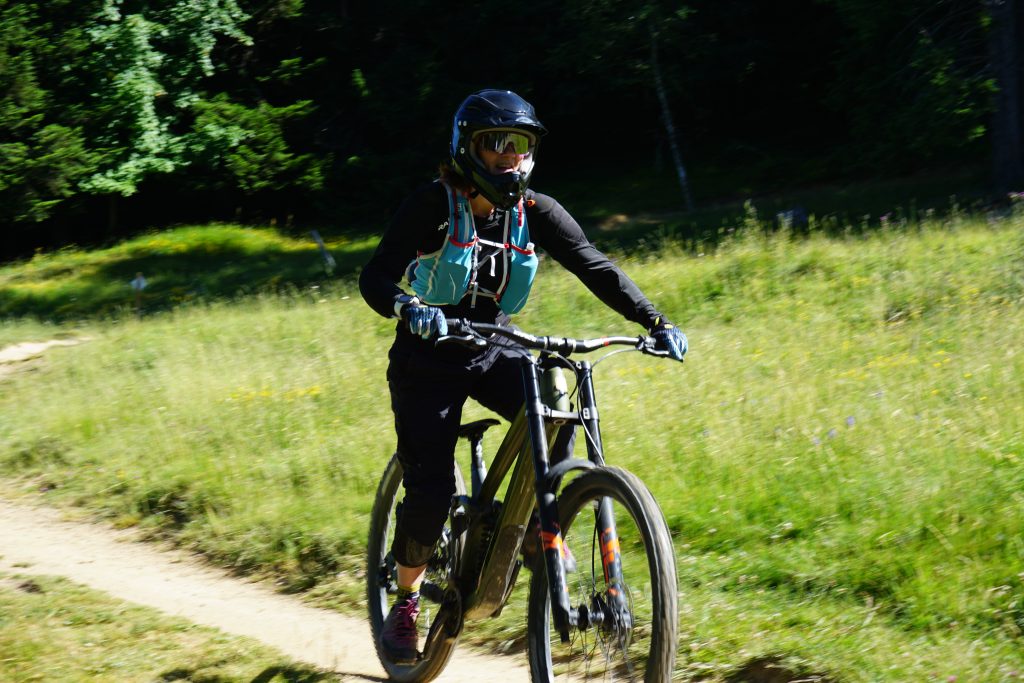
Proponents say e‑bikes can level the playing field by improving fitness and inclusivity, though they also highlight that high costs and macho culture still hold many women back.
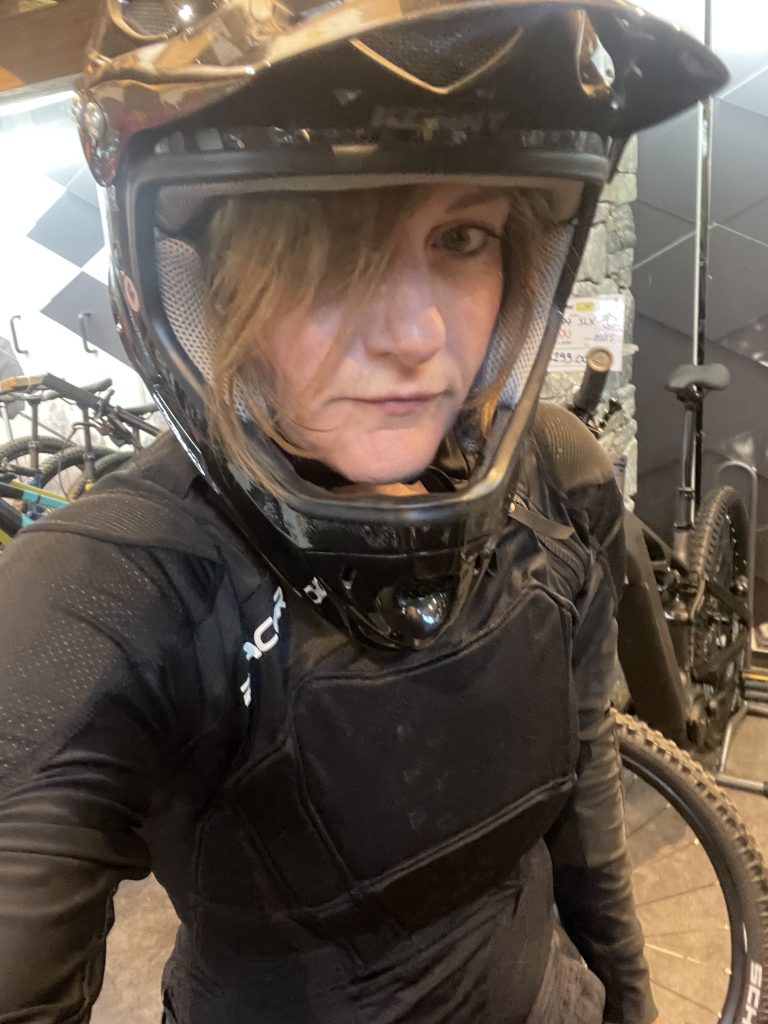
Personally, I got yelled at by another female rider to “pick a line!” (I was trying too!), and struggling to get a 25kg e‑bike on a lift at 5ft tall doesn’t help. The gear is heavy, the body armour bulky, and the vibe… can be intimidating if you’re trying to learn.
Yes, e‑bikes open the mountains—but only if we address the culture and kit around them too.
Have you noticed this? What would make MTB more inclusive?
Links for Further Reading
🚺 Gender Imbalance in MTB
- British Cycling: Only around 20% of MTB participants are women
→ Women’s Cycling – Why We Need More Women on Bikes (British Cycling) - Royal Geographical Society (RGS): Academic paper on gendered MTB culture in the UK
→ Mountain biking, gender and risk (RGS) - ResearchGate study: Barriers to participation for women in MTB
→ Women and Barriers to Participation in Mountain Biking (ResearchGate) - Cycling is still overwhelmingly male (BikeRadar)
→ BikeRadar article - Reddit thread: First-hand discussion on low female participation
→ Why Are There So Few Female Riders? (Reddit)
⚡ E-Bikes & Women’s Confidence
- Active Travel Studies journal: ‘Empowerment or exclusion? Women and e‑bike use’
→ Read on activetravelstudies.org - Momentum Magazine: How e-bikes are helping close the gender gap
→ Read on momentummag.com - ScienceDirect review: E-bikes and fitness confidence
→ Explore on ScienceDirect